
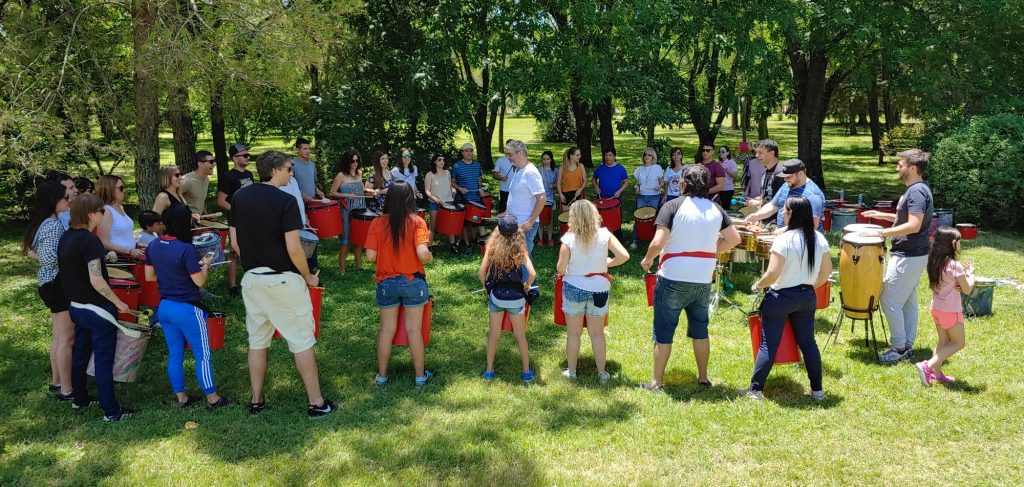
Designing an incentive program is not about picking a destination and sending people on a trip. It is a process with its own logic, where every decision has direct consequences on the final result. A well-designed program can transform a commercial organization’s performance. A poorly designed one can produce exactly the opposite: demotivation, a sense of unfairness and internal friction.
After 28 years designing incentive programs for companies in Argentina and Latin America, these are the 13 steps that determine whether a program will work or not.
Step 1: Define the Objective with Precision
Before thinking about the destination, the prize or the budget, you need to know exactly what behavior you want to change. Do you want to increase sales volume? Push a specific product? Reduce turnover in the distribution channel? Take market share from a competitor in a region?

The objective has to be a single one, measurable and achievable. Programs that try to accomplish everything at once end up accomplishing nothing well.
Step 2: Identify Who Participates
The in-house sales force, distributors, third-party channels, or all three at once? The target audience defines everything that follows: the rules, the type of prize, the communication, the budget.
A common mistake is designing one program for everyone without considering that each group responds to a different logic of motivation.
Step 3: Choose the Type of Incentive
Incentive trip, experiential event, physical prize, points redemption, public recognition, or a combination. There is no single right answer. What is clear is that experiences generate greater emotional impact and are remembered longer than material prizes.
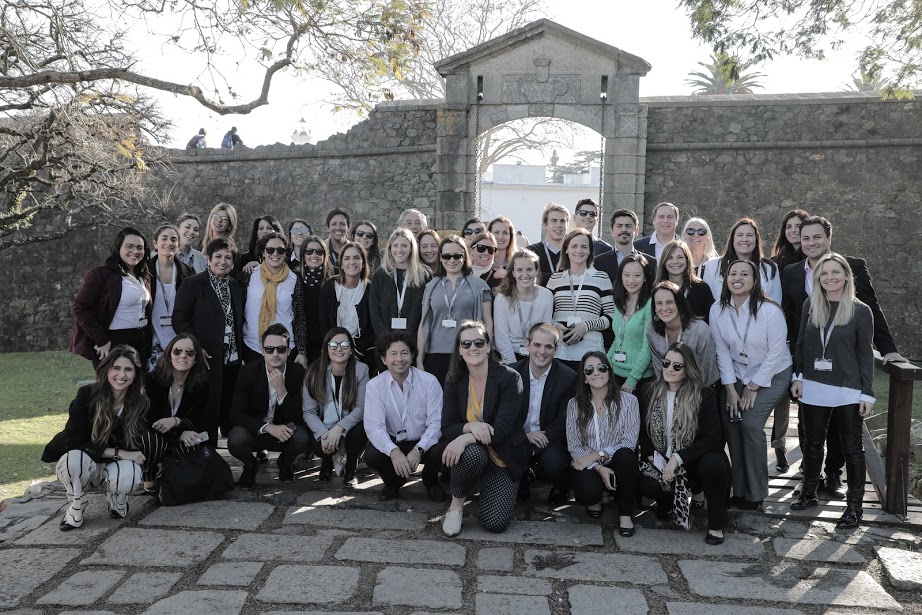
The question that guides this decision: what will this person still remember in five years?
Step 4: Set Clear and Fair Rules
The program’s rules have to be understandable, transparent and perceived as fair by every participant. If there are sectors, categories or territories with very different market conditions, goals need to be segmented so the competition stays even.
A program where “the same people always win” stops motivating everyone else.
Step 5: Define Participation Thresholds
How much do you need to sell to enter the program? How much to be eligible for the top prize? The threshold structure defines the program’s ambition. Too easy and it loses value. Too hard and it discourages people before they even start.
The ideal eligibility range is one where 30 to 40 percent of participants can win with a real extra effort.
Step 6: Design the Launch
The launch is the program’s first moment of truth. If it does not generate excitement, the program starts off on the wrong foot. It needs company leadership present, clear communication of the rules, and some element of impact that plants the program in participants’ minds from day one.
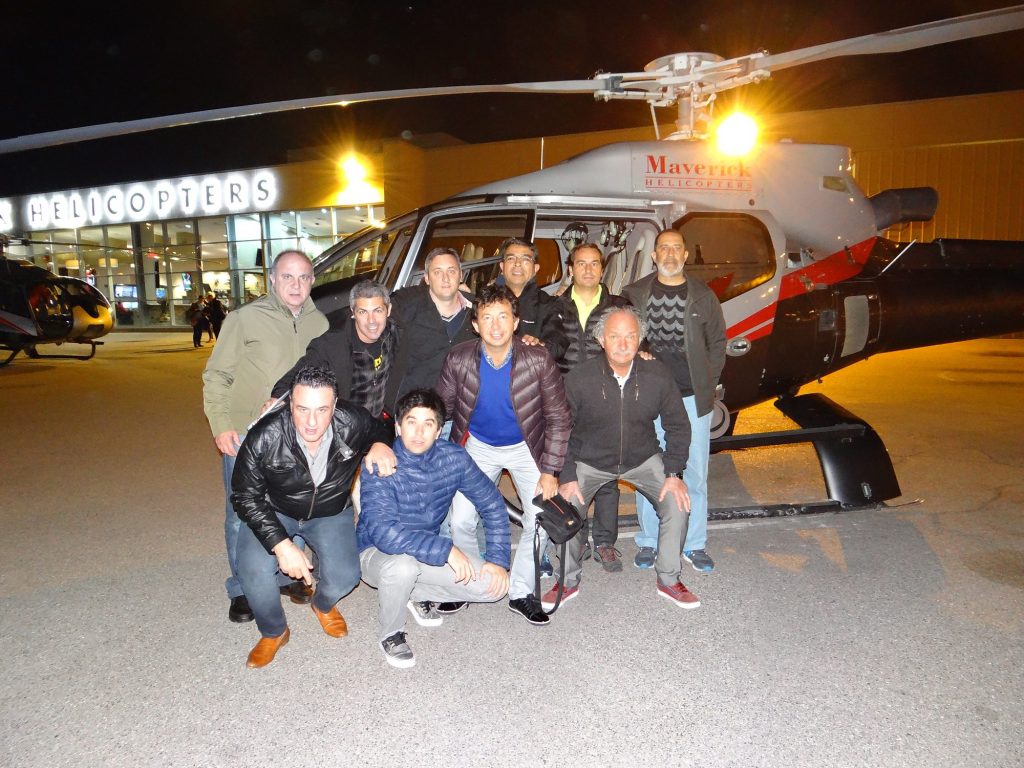
A well-produced launch event can be worth as much as the prize itself.
Step 7: Choose the Destination or the Central Experience
If the program culminates in an incentive trip, choosing the destination has to balance three variables: aspirational value (a place participants would not go on their own), logistics (whether it is feasible to operate with the size of the group), and singularity (an experience that cannot be replicated as conventional tourism).
Berlin, Dubai, the Caribbean, Iguazú Falls, Las Vegas, Bariloche. What makes the difference is not the destination itself, but what happens there.
Step 8: Set the Budget with Investment Logic
The budget for an incentive program is not an expense: it is an investment with an expected return. The right question is not how much the program costs, but how much additional sales it needs to generate to justify itself.
A well-calculated program pays for itself through the incremental margin it generates. The cost is real, but so is the return.
Step 9: Plan Communication Throughout the Program
An incentive program that goes uncommunicated during its run loses momentum. Participants need to know how they are doing, what they still need, who is leading the ranking. Regular communication keeps the competition alive and keeps people wanting to get there.
Leaderboards, email updates, progress alerts. The ideal frequency depends on each business’s sales cycle.
Step 10: Design the Event Experience Around Corporate Identity
The trip or event is not a generic gift: it is an extension of the company’s brand. Every moment needs the company’s identity present, without feeling forced. The goal is for participants to feel that only this company could have organized this experience, in exactly this way.
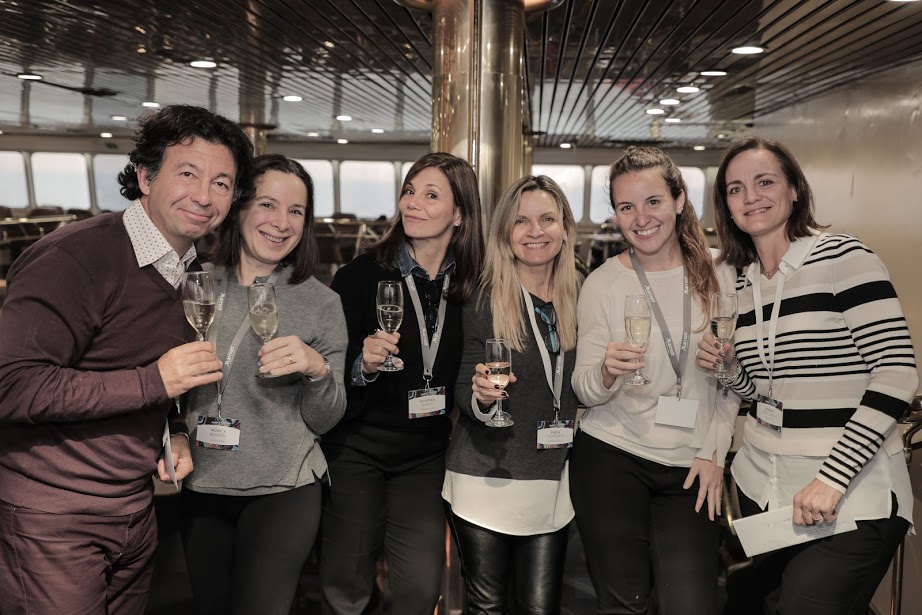
Details, surprises, exclusive access. What separates a good program from an extraordinary one is always in the details.
Step 11: Manage Logistics at a Professional Level
Flights, transfers, lodging, activities, meals, insurance, documentation, emergencies. The logistics of a corporate incentive trip cannot be improvised. A logistical problem during the experience can undo months of accumulated motivation.
Choosing the partner who manages the program is just as important as choosing the destination.
Step 12: Measure Results in Real Time
During the program, data needs to be available: who reached the goal, which region grew the most, which product performed best. That allows for real-time adjustments and provides input for next year’s program.
Step 13: Close the Program and Measure ROI
The program does not end when the group returns from the trip. It ends when the result is measured: how much sales grew during the program period, how much more that was compared to the prior period, what impact it had on channel retention.
That number is the strongest argument for justifying the program to company leadership, and for designing the next one with stronger backing.
Designing an incentive program that works is not complicated once you know the process. What it does require is accumulated experience, market knowledge and a partner who has seen enough programs to know when something is going to work and when it is not.
At AV Business & Communication we have spent 28 years doing exactly that. If you would like to talk about how to design your company’s incentive program, write to us at [email protected] or fill out the contact form on this site.