
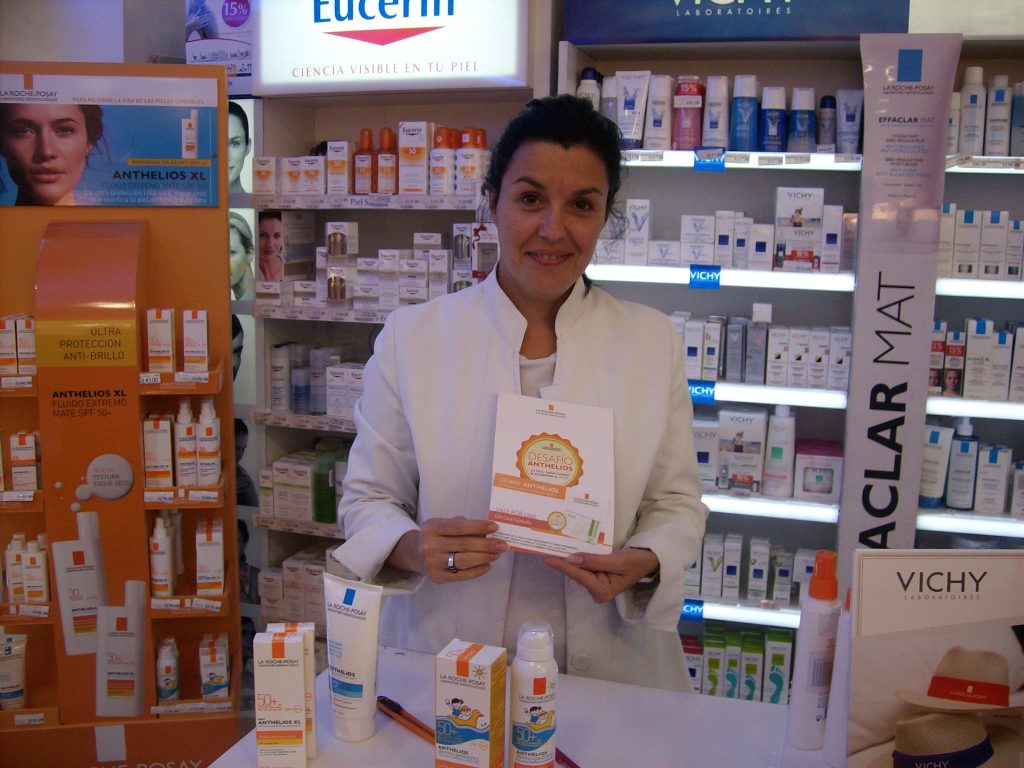
What do you do when your product is better than the competition’s, but nobody says so at the counter? That was the real problem facing La Roche-Posay Anthelios in 2012: the sunscreen line was losing ground to competitors playing the discount card, not because the product was inferior, but because the pharmacy salesperson did not even mention it.
At AV Business & Communication we designed and ran, for L’Oréal Argentina, a three-month mystery shopper program that changed that conversation at the point of sale. The result: Anthelios sales grew 12% during the campaign, while pharmacies that did not participate held steady at their usual level.
The Problem Was Not the Product, It Was the Counter
A prior audit had uncovered something uncomfortable for the brand: in most visits, Anthelios was only mentioned second or third. The salesperson offered something else first, and by the time they got to Anthelios, they almost never explained why Mexoplex technology or UVA/UVB protection set it apart from a cheaper option.
The challenge was not about advertising. It was about human behavior in the exact moment of the sale.
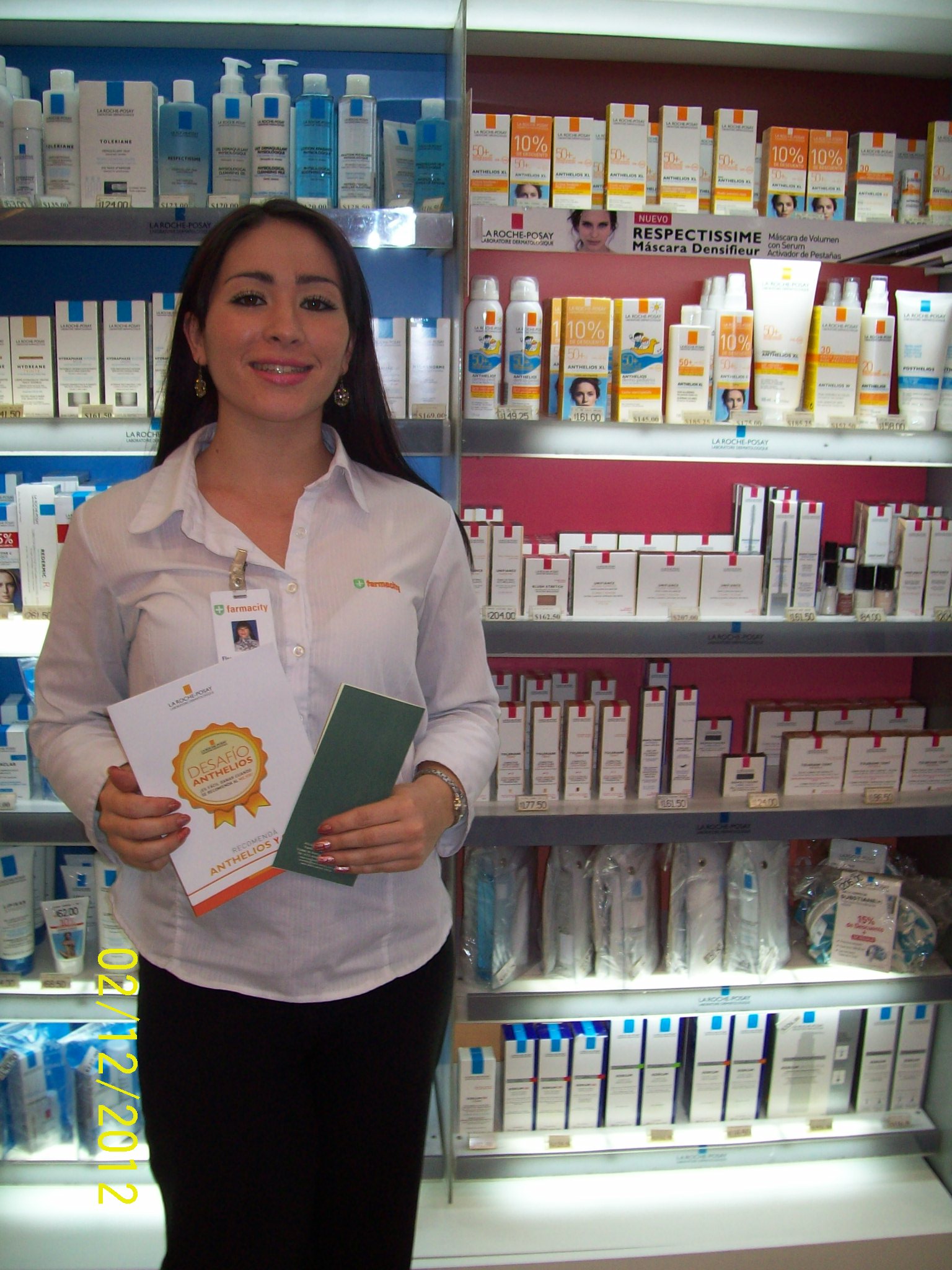
The Solution: Pay for the Right Behavior, Not Just for Selling
We designed a Mystery Shopper program that ran from November 15, 2012 to February 15, 2013, across 250 pharmacies in Greater Buenos Aires and the interior of the country, with three waves of undercover visits.
Each visit assessed three specific things:
- Whether the salesperson offered Anthelios as the first option, without the customer having to ask for it.
- Whether they mentioned the attributes that set it apart from the competition.
- Whether they made a chained sale, meaning they added another product from the same brand.
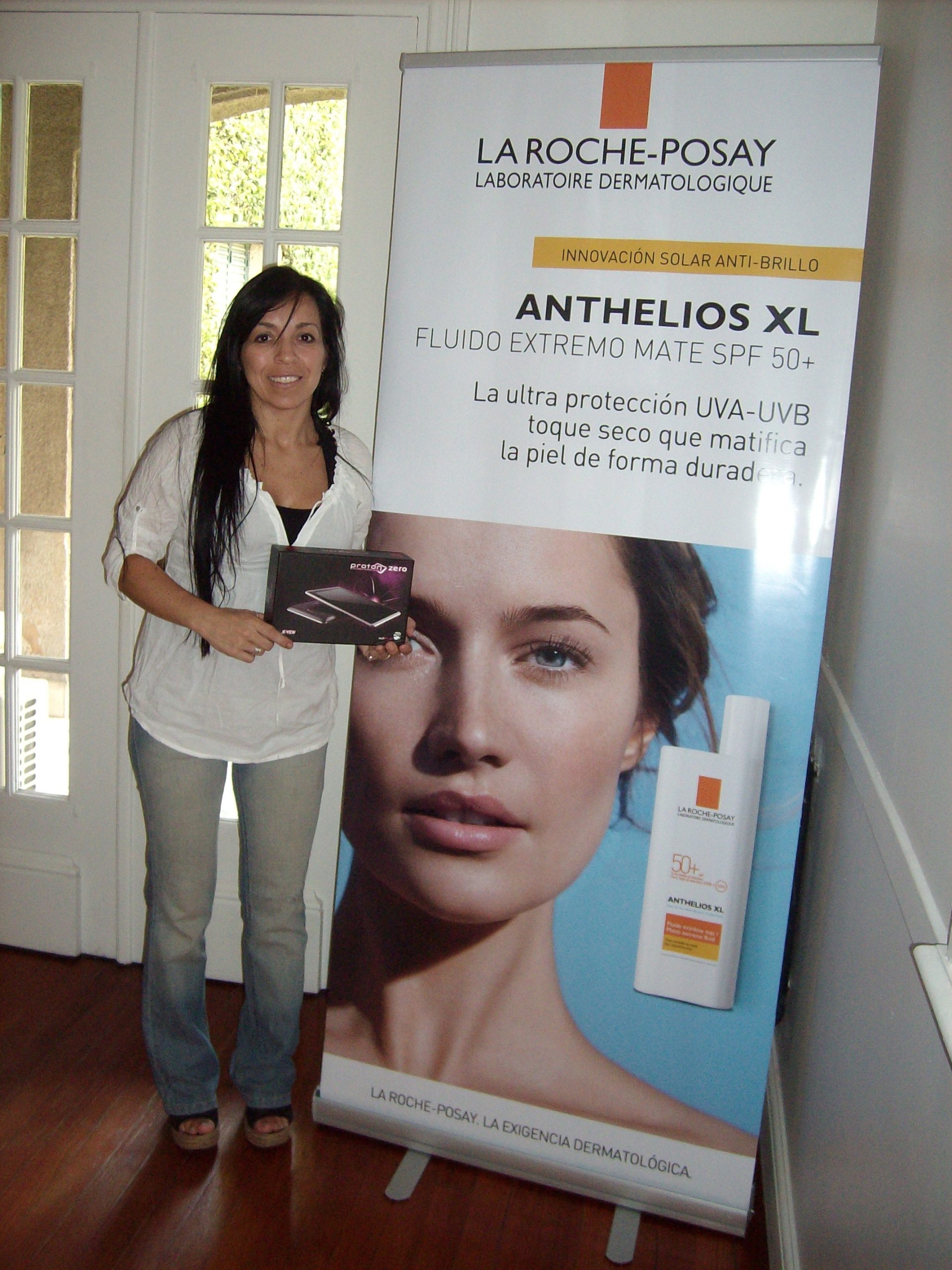
Anyone who met those criteria got an instant scratch card with immediate prizes (movie tickets, dinner in Puerto Madero, a Freddo ice cream) or bigger prizes such as tablets, laptops, cameras and iPods, plus entry into a final raffle for a laptop among all participants.
The program was supported with a launch brochure, its own website, an in-person meeting with the pharmacy’s skincare advisors, and phone and email communication throughout the campaign.
A Detail That Never Shows Up in Any Results Report
Most of those 250 pharmacies were family-run small businesses, with no prior experience with mystery shopper or incentive programs. Getting the owners on board, who often worked the counter themselves, took as much convincing as the program design itself. A poorly explained incentive to a skeptical pharmacy owner turns into fine print nobody reads.
The Results, Wave by Wave
Anthelios’ spontaneous recommendation rate rose from 45% in the first wave of visits to 60% in the third. The chained-sale rate, which started at just 2%, ended at 15%. And sales of the line grew 12% during the three months of the campaign, compared to pharmacies that did not participate.
Beyond the sales numbers, 97% of participants rated the program as good, very good or excellent, and 95% said they would like to see it repeated. That matters: an incentive people enjoy holds up over time better than one they merely tolerate for the prize.
Four Lessons for Any Brand With an Indirect Sales Channel
Measure the behavior before you reward it. You cannot fix what you have not audited first. The initial audit was what revealed that the problem was at the counter, not in the product.
The prize works better when it’s immediate. The instant-prize scratch card reinforced the desired behavior at the exact moment it happened, far more effective than a monthly points statement the salesperson doesn’t even remember earning.
Work on the weakest link in the channel, not just the leader. The pharmacy salesperson, who earns little and has no direct relationship with the lab, is the person who ultimately decides what to say in the first ten seconds of the sale. Ignoring them means ignoring where the purchase decision actually gets made.
Adapt the message to the real size of who you’re talking to. A family-run small business does not respond the same way as a corporate chain. The same program needed face-to-face explanation, not just an email with the rules.
A well-designed incentive program does not replace the product, but it can be the difference between that product selling on its real merits or getting lost in the noise at the counter. If your brand depends on a third party recommending it well at the point of sale, that is exactly the kind of problem this type of program can solve.
If you would like to explore how to apply something similar to your sales channel, write to us at [email protected].