 Viaje de incentivo BlackBerry · Bariloche
La Full Service Incentive & Marketing Company de Argentina
Diseñamos y ejecutamos programas de incentivos, viajes de premiación, campañas de fidelización y eventos motivacionales para empresas en Argentina y toda América Latina.
- 1998Diseñamos y ejecutamos programas de incentivos desde 1998.
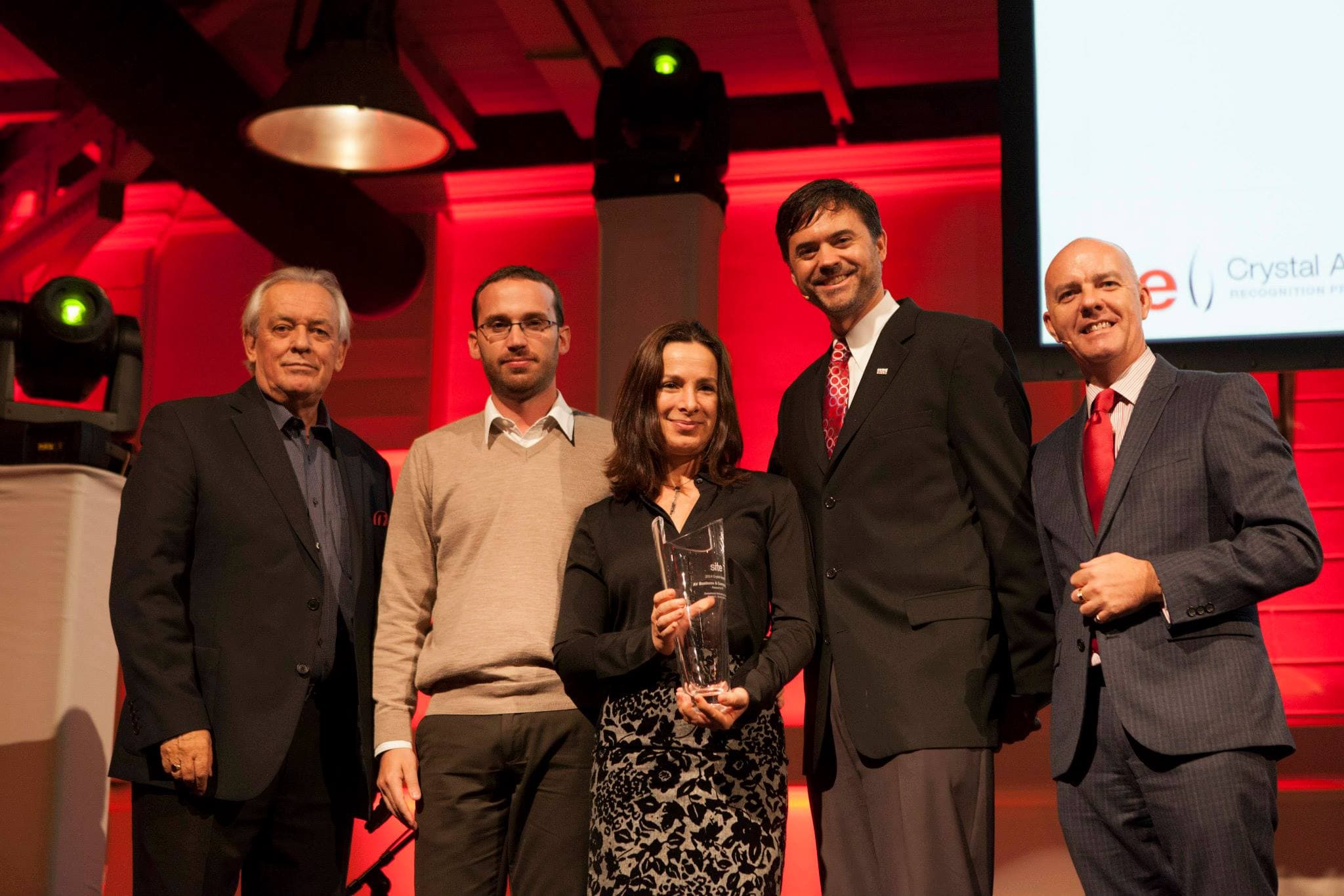
- 4 SITE Crystal Awards2000, 2005, 2014 y 2022: la máxima distinción del incentive travel a nivel mundial.
- GINFundadores de Global Incentive Network, con alcance en América, Europa, África y Oceanía.
- SITE 2012Alejandro Verzoub, nuestro presidente, fue Presidente Global de SITE: el único latinoamericano en ese cargo.
¿Cómo podemos ayudarte?
Somos expertos en la organización, diseño y ejecución de campañas de fidelización, incentivos y acciones motivacionales en América Latina.
Viajes de incentivo, en el terreno
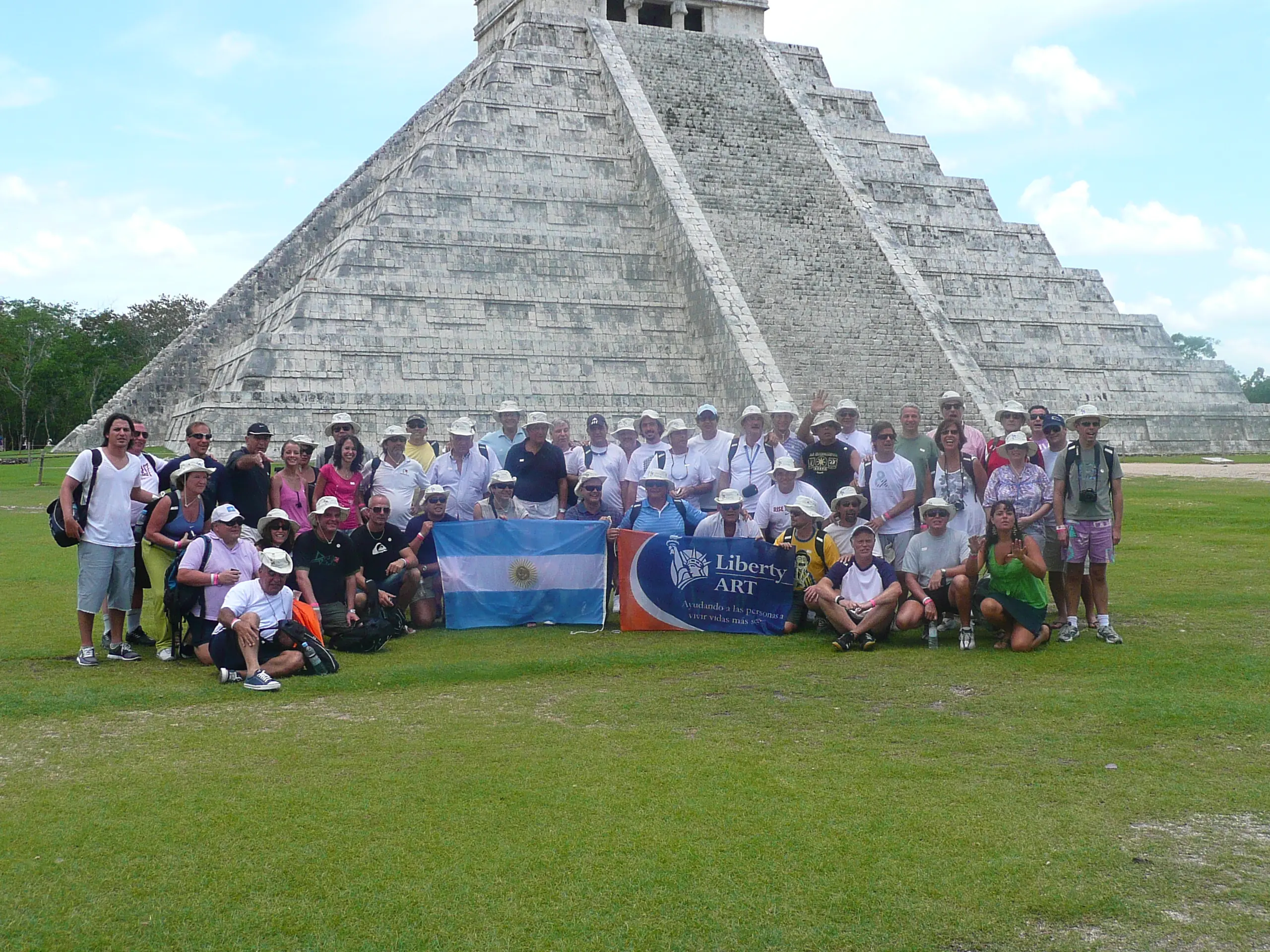
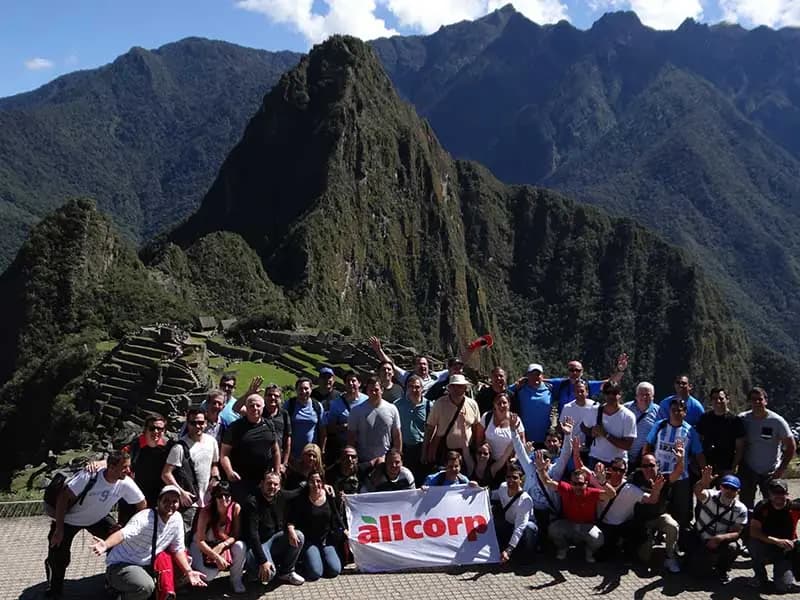
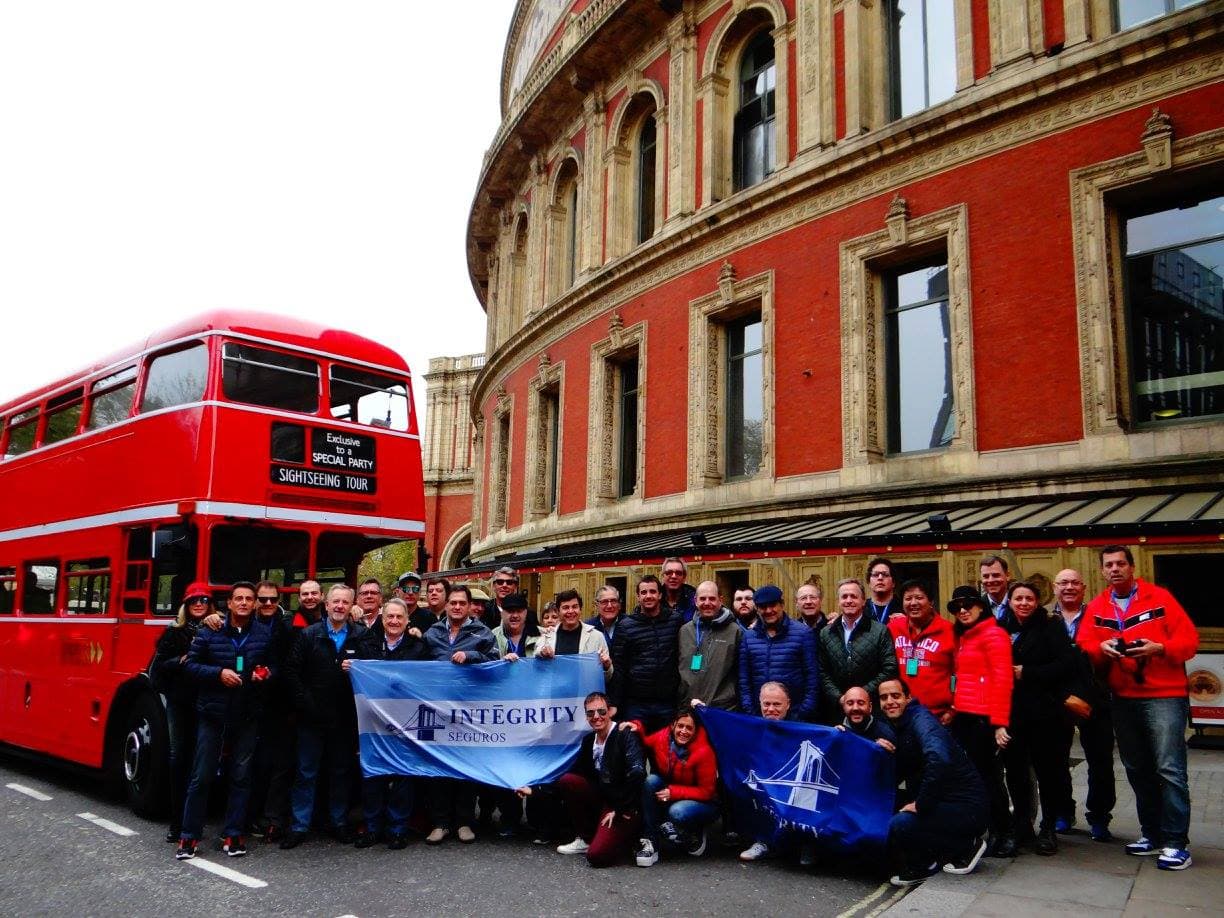
Más de 200 programas en más de 25 países. Cada destino tiene un porqué y cada experiencia está pensada para que el participante sienta que se lo ganó.
Casos de éxito
Algunos de los proyectos reales que llevamos adelante para marcas líderes en Argentina y la región.
¿Cómo trabajamos?
Intervenimos en el antes, el durante y el después de cada programa, evento o viaje.
Antes
Diseño estratégico y planificación: el programa, la mecánica de premiación y el presupuesto, con cotizaciones abiertas y detalladas.
Durante
Implementación con coordinación senior, conocimiento de los destinos y alta dedicación al manejo de grupos.
Después
Seguimiento y evaluación de resultados. No entregamos una idea y nos vamos: nos quedamos hasta que los resultados se pueden medir.
Nuestra responsabilidad es integral: consolidamos proveedores y facilitamos la contabilización del proyecto.
Nuestras redes y alianzas
- Maritz
Pertenecemos a la red de socios globales de Maritz hace más de 10 años, con fulfillment de premios en proyectos internacionales.
- SITE
Society for Incentive Travel Excellence: acceso a redes profesionales especializadas en viajes de incentivo, con itinerarios atractivos y actividades originales.
- GIN
Somos fundadores de Global Incentive Network, integrada por las más prestigiosas agencias de incentivos y marketing promocional: cobertura en América, Europa, África y Oceanía.
Equipo directivo
- Alejandro VerzoubPresidente
- Mónica BeinsteinVicepresidente
- Iván VerzoubDirector de Desarrollo Comercial
Preguntas frecuentes
¿Qué es AV Business & Communication?
AV Business & Communication S.A. es la primera Full Service Incentive & Marketing Company de Argentina. Desde 1998 diseñamos y ejecutamos programas integrales de incentivos corporativos, campañas de fidelización, viajes de premiación y eventos motivacionales para empresas en Argentina y toda América Latina.
¿Qué es un programa de incentivos corporativos?
Es una estrategia diseñada para motivar a equipos de venta, distribuidores o canales comerciales a alcanzar y superar sus objetivos. Combina metas, recompensas y experiencias para generar compromiso sostenido. Llevamos más de 28 años diseñando estos programas para empresas de todos los sectores.
¿Qué diferencia a AV Business de otras empresas del sector?
Somos la empresa argentina con 4 SITE Crystal Awards, el galardón internacional más prestigioso del sector incentivos. Alejandro Verzoub, nuestro presidente, fue Presidente Global de SITE en 2012, el único latinoamericano en ocupar ese cargo en la historia de esa organización.
¿Qué tipos de viajes de incentivos organizan?
Viajes de incentivos nacionales e internacionales: desde experiencias en destinos dentro de Argentina hasta grupos a Europa, Asia, el Caribe y América del Norte. Cada programa incluye logística completa, coordinación en destino, actividades exclusivas y acompañamiento senior durante todo el viaje.
¿Con cuánta anticipación hay que empezar a planificar un viaje de incentivo?
Para un grupo nacional recomendamos entre 3 y 4 meses. Para destinos internacionales, entre 6 y 9 meses, porque la disponibilidad hotelera, los bloqueos aéreos y las tarifas negociadas mejoran sustancialmente con anticipación. Si el viaje es el premio de una campaña comercial, el programa debe estar cerrado antes de que la campaña se lance.
¿Cuántos participantes necesita un viaje de incentivo?
Trabajamos desde grupos de 15 personas hasta programas de más de 200 participantes. También operamos incentivos individuales, donde el ganador viaja solo o con acompañante y recibe un itinerario personalizado.
¿En qué países operan?
Operamos principalmente en Argentina y tenemos experiencia en proyectos regionales en Chile, Uruguay, México y otros mercados de América Latina. A través de nuestra membresía fundadora en Global Incentive Network (GIN), podemos implementar programas en América, Europa, África y Oceanía.
¿Cómo podemos trabajar juntos?
El primer paso es una conversación para entender los objetivos del programa. Escribinos por WhatsApp o a [email protected], o llamanos al +54 11 5263 7652.
Contanos tu grupo
Contanos qué querés lograr y te armamos una propuesta a tu medida, con presupuesto abierto y transparente. Respondemos todas las consultas en menos de 24 horas hábiles.